How Casino Design Shapes an Evening in Hải Phòng
Casino design in Hải Phòng reveals how a venue balances activity, privacy and shared space, helping visitors decide whether its atmosphere suits their plans.
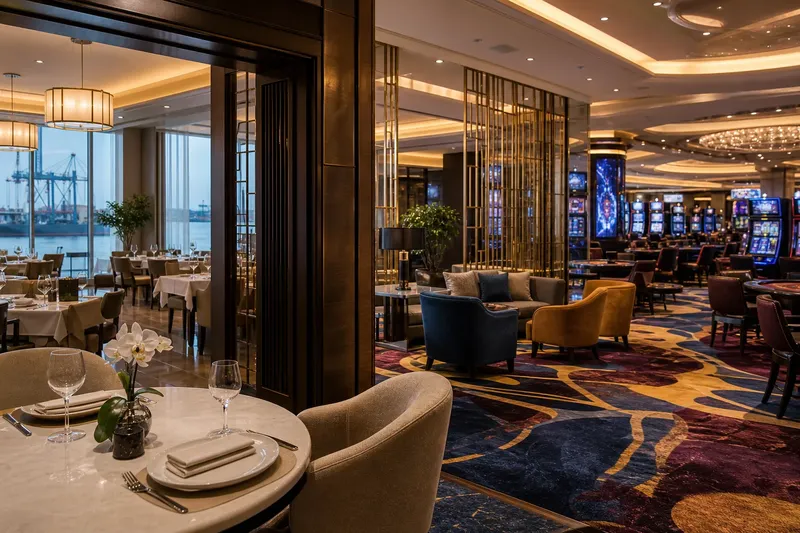
Casino design in Hải Phòng is shaped as much by what happens inside as by how a venue meets the street. A room arranged around shared activity feels different from one divided into dining, lounge and gaming areas, even when both occupy a similar kind of building.
Think of the floor plan as a tray with separate compartments: each space has a purpose, but the arrangement determines what sits beside what. That matters in a port city where leisure venues form part of a broader evening out, rather than existing apart from the city’s ordinary social life.
Casino design in Hải Phòng reflects how a venue shares its space
Designers make choices about which activities sit together and which are separated. A dining area beside the main floor can keep a visit compact; a lounge in another room can offer a change of pace. Neither arrangement is inherently better. The useful question is whether the venue’s organisation suits the sort of evening a visitor has in mind.
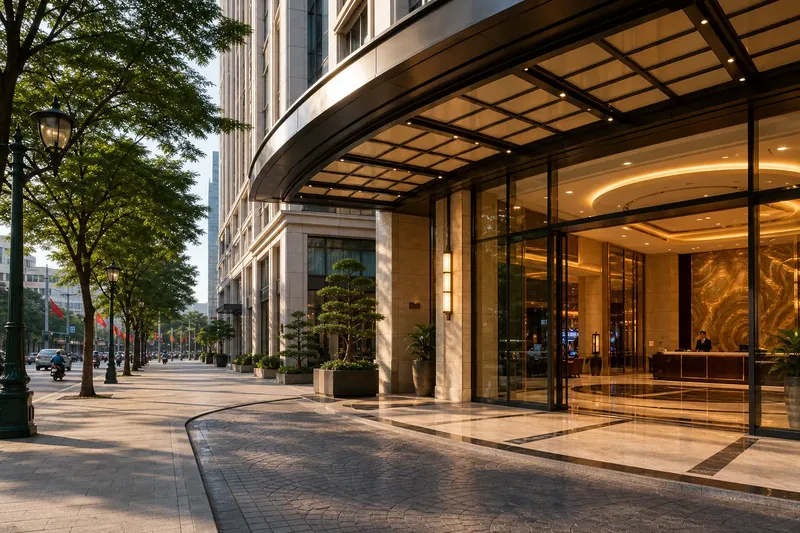
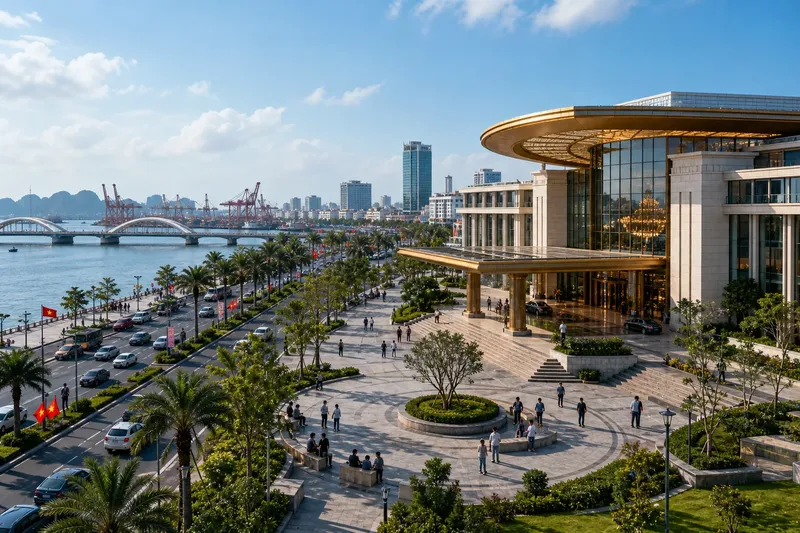
These choices also shape the venue’s relationship with its surroundings. A casino within a larger hospitality complex may share facilities with restaurants, accommodation or event spaces. A standalone venue may organise those functions differently. Public information can describe the setting, but it cannot establish what a room feels like on a particular evening.
Shared activity and private space create different moods
An open plan makes several activities visible at once. That can make a room feel connected, but conversation and movement may also carry across it. Partitions, separate rooms and seating arranged in smaller groups create more distinction between areas, though they can make the venue feel less continuous.
Materials influence that balance. Carpet, upholstered seating and acoustic panels can soften a room’s character; hard floors and broad surfaces give it a more reflective, formal feel. These are design considerations, not promises about sound or comfort. A venue’s actual conditions can shift with its layout, occupancy and events.
Leisure choices depend on what a visitor wants from the evening
Some visitors want gaming to be the main activity. Others may be interested in dining, a lounge or an event as part of a wider outing. A clear description of the venue’s facilities helps people decide whether it belongs in their plans; a polished description of “atmosphere” says rather less.
Say you are planning an invented evening with a friend who wants to talk over dinner, while you are curious about the gaming area. Your starting information is that the venue lists a restaurant and gaming floor but says nothing about their separation. You check the venue’s current room description, then ask whether the restaurant is in a separate room and whether it requires a booking. If staff confirm separate rooms and explain how to reserve a table, you can plan dinner as its own part of the visit; if they say the restaurant shares an open space or cannot confirm availability, you can choose another dining plan before deciding whether to visit. The observable result is a clearer itinerary, not a prediction about how quiet the room will be.
What should visitors ask about the venue’s arrangement?
Is the dining area separate from the gaming floor?
Check the venue’s current description or ask staff whether the spaces are in separate rooms or share an open plan. If separation matters to your plans, use the answer to decide whether the venue suits the evening.
Does a lounge offer a different kind of space?
Ask what the lounge is used for and whether it is open during your intended visit. A named lounge alone does not establish its sound level, privacy or availability.
Can I visit without taking part in gaming?
Ask the venue directly which facilities are open to visitors and what entry conditions apply. Rules and access arrangements can differ, so rely on current information from the venue rather than assumptions.
How can I check whether an event changes the room arrangement?
Look for current event information or contact the venue to ask whether an event affects the facilities you plan to use. If the answer is unclear, make a backup plan for dining or meeting elsewhere.
Use concrete details to decide whether the setting fits
Before making plans, check the venue’s current information for the details that could change your choice:
- If the venue names a restaurant and explains whether it is a separate room, decide whether that arrangement suits your meal; if it shares the main space and you want separation, choose another dining plan.
- If a lounge is listed with its opening information, decide whether it fits your schedule; if no current hours are given, ask the venue before relying on it.
- If the venue describes an event space and confirms an event is scheduled, decide whether that event suits your evening; if it may affect the facilities you want, ask what remains open or choose another plan.
- If the room description identifies a shared open plan, decide whether a connected atmosphere suits you; if you prefer distinct areas, ask whether separate seating is available or consider another venue.
- If the venue explains entry conditions for visitors who do not intend to game, decide whether those conditions fit your plans; if the answer is missing, contact the venue before travelling.
- If the current facilities list includes the service you want, confirm that it will be available during your visit; if availability is uncertain, arrange an alternative rather than building the evening around it.
Casino design in Hải Phòng is easier to judge through the venue’s actual mix of shared and separate spaces than through broad claims about glamour or excitement. Ask what sits beside what, confirm which facilities will be available, and choose the setting that fits the evening you intend to have.